Parks Connect is proudly supported through funding from the Queensland Department of the Environment, Tourism, Science and Innovation.
This event has concluded. Check out our current Park of the Month at bit.ly/QldPOTM

Discover. Connect. Protect. Enjoy
Park of the Month is a key initiative of the Queensland Parks and Wildlife Service (QPWS) and NPAQ’s Parks Connect program.
Learn about Bunya Mountains NP
Bunya Mountains National Park
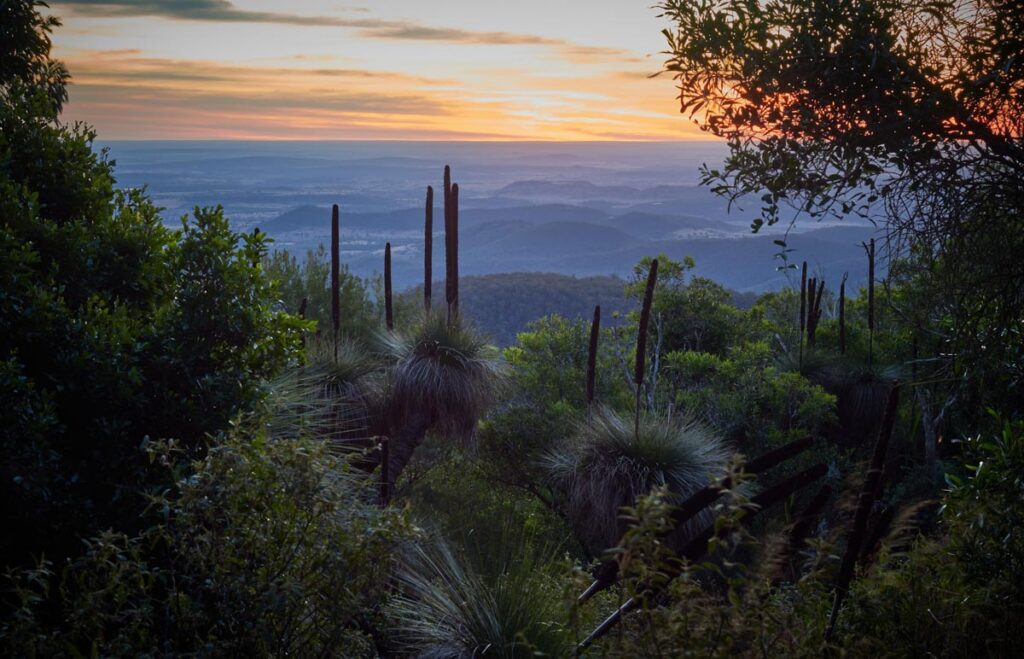
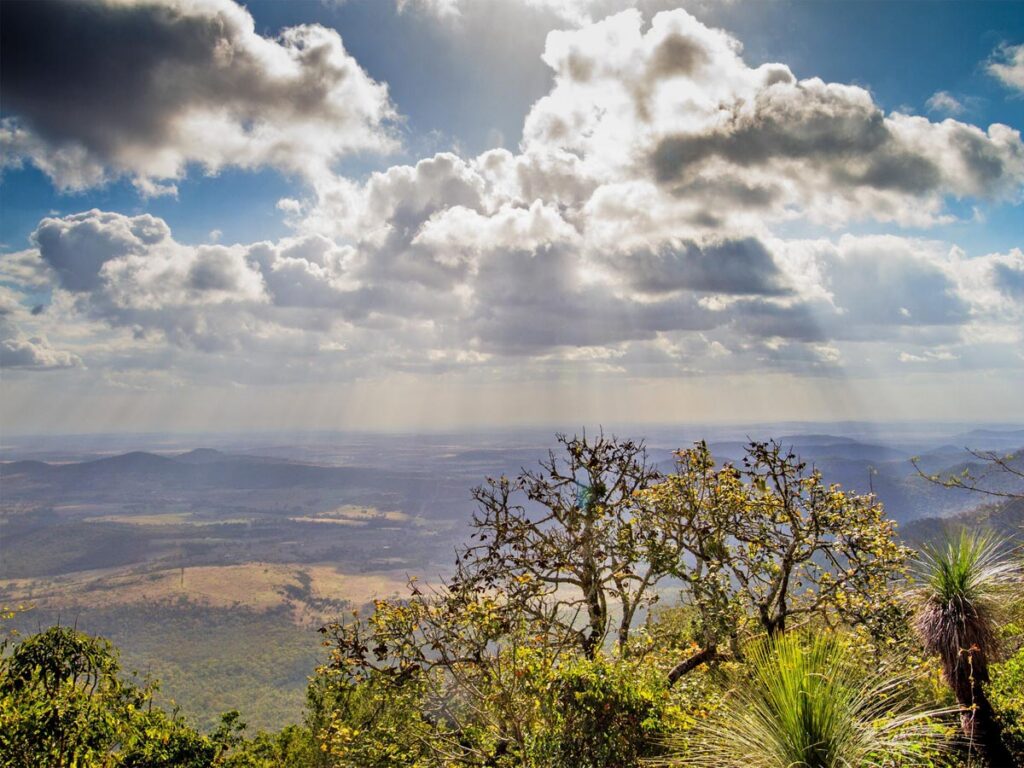
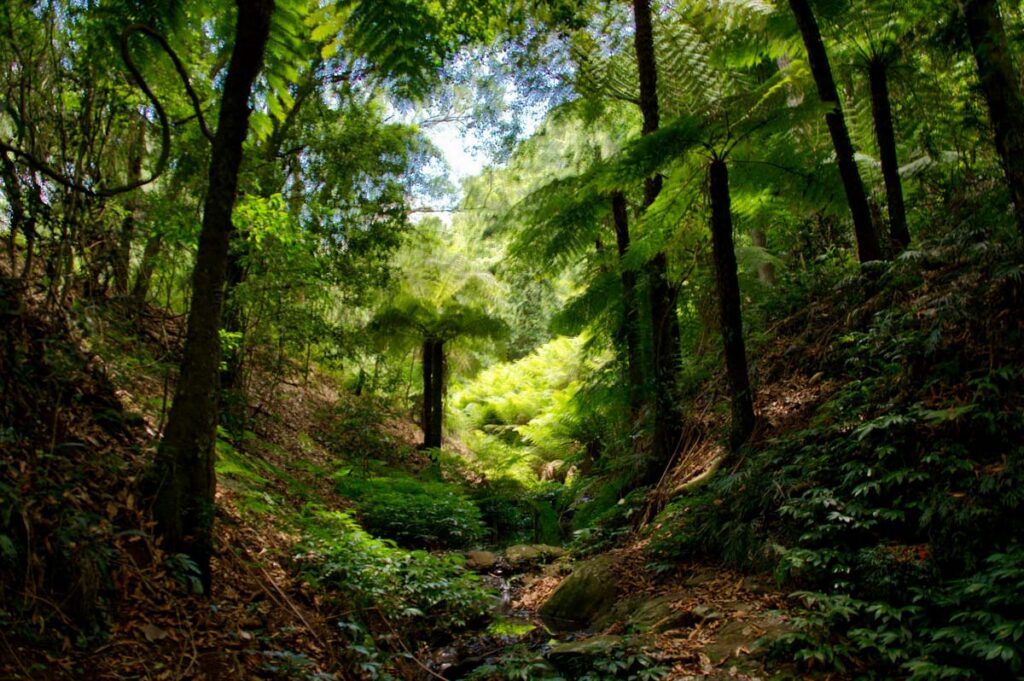
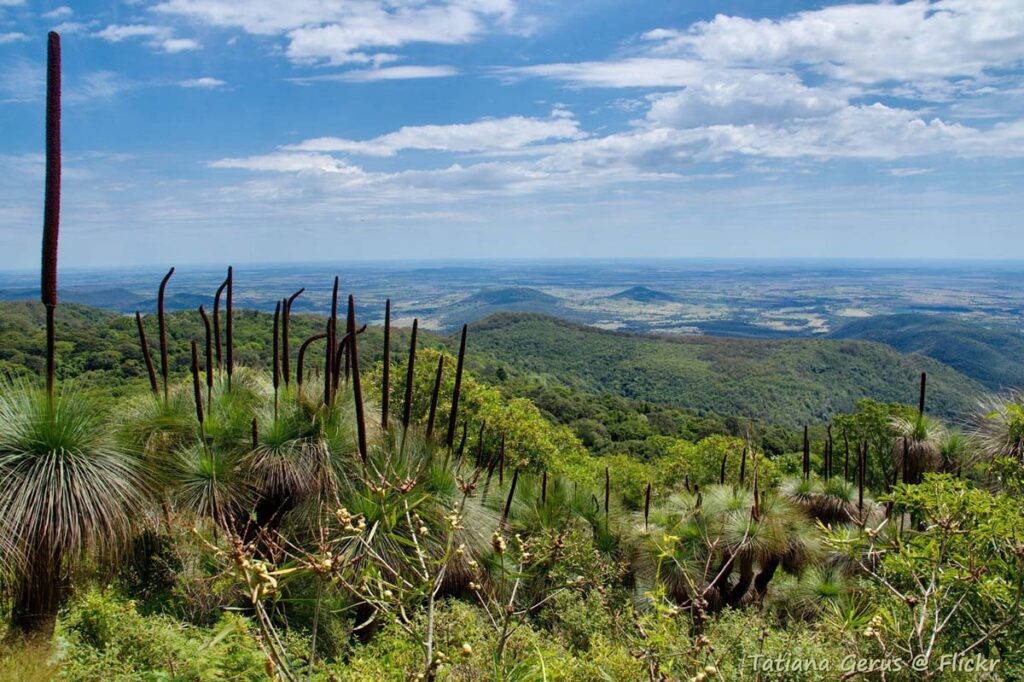
Declared in 1908, Bunya Mountains National Park is Queensland’s second-oldest National Park, covering 19,600 ha and sheltering the world’s largest stand of ancient bunya pines (Araucaria bidwillii) alongside more than 30 rare and threatened species. Rising from the farming plains of the Western Downs and South Burnett, about 200 km northwest of Brisbane, the park supports an extraordinary range of vegetation, from tall moist rainforest and subtropical vine thickets to natural grasslands, rare “balds” and dry eucalypt forest, nourished by deep basalt soils.
The Bunya Mountains were one of the most significant gathering places for First Nations peoples in eastern Australia. When bumper bunya nut crops occurred (roughly every three years), First Nations peoples, including the Wakka Wakka, Jarowair and Barrungum, hosted great gatherings that drew guests from coastal and inland regions to share food, songs, dances and social interactions. Despite being declared a National Park in 1908, the logging of bunya pines within the park continued until approximately 1917. Today, some of the park’s individual bunya pines are thought to be up to 600 years old!
Learn more at the Queensland Parks and Wildlife Service page for this park.
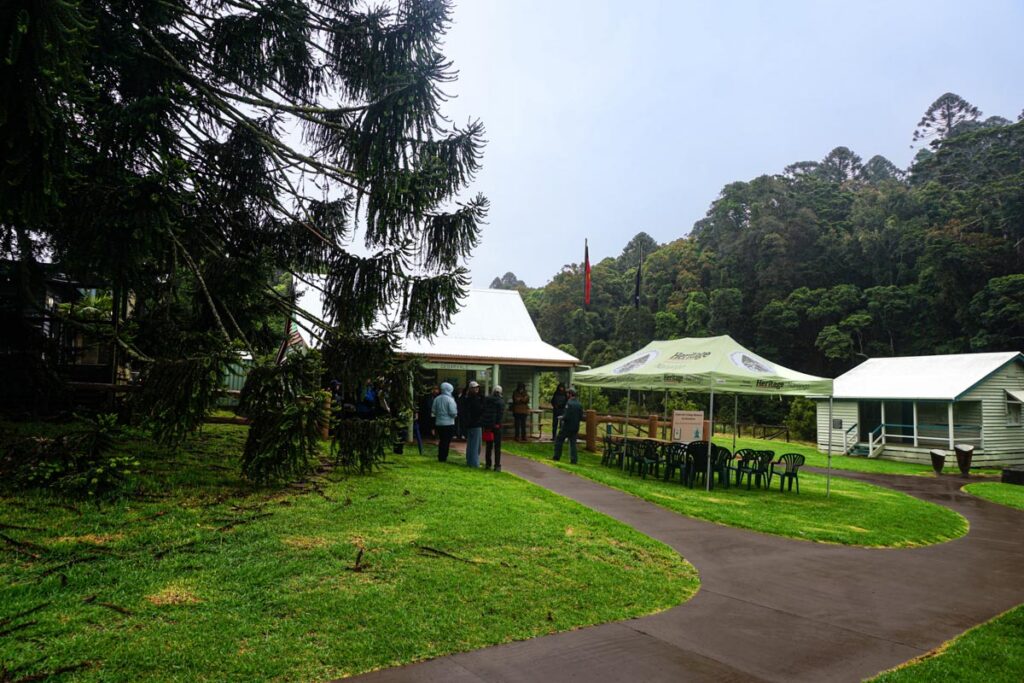
Here’s what we got up to on Saturday 31 October at beautiful Bunya Mountains National Park!
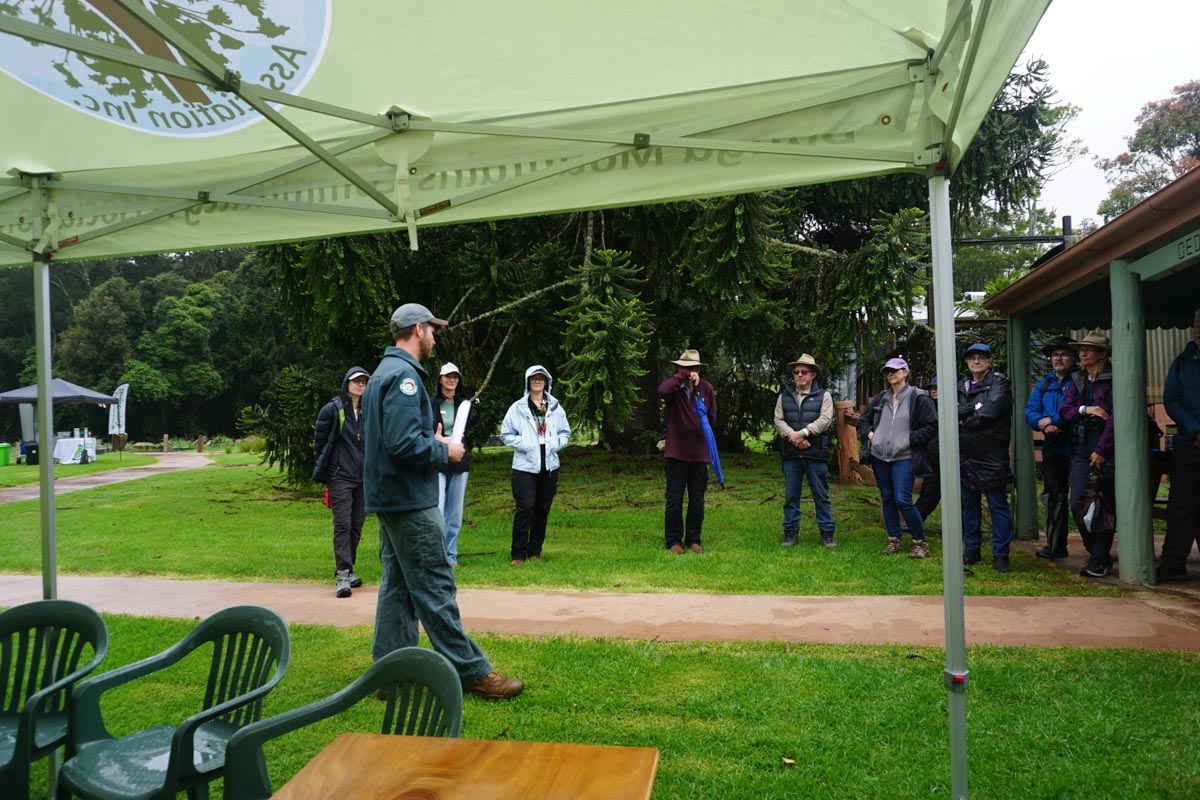
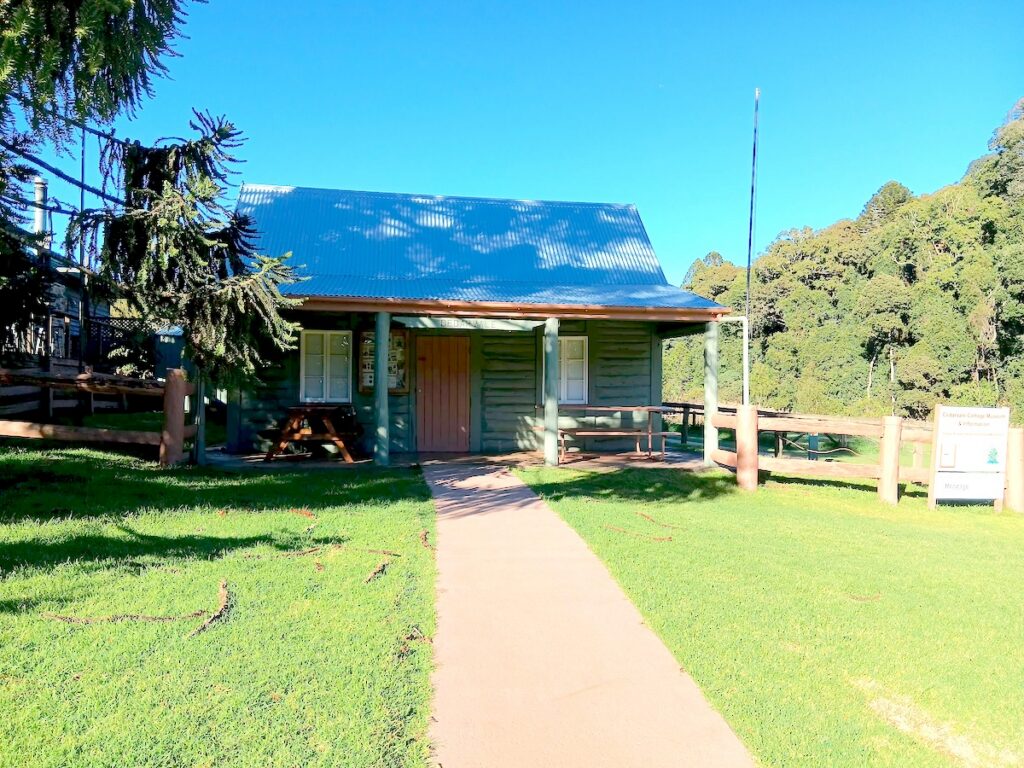
QPWS Ranger Josh led us on a “Roll & Stroll” tour of Dandabah’s new, accessible Bunya Bunya Loop and explained the park’s conservation management needs.
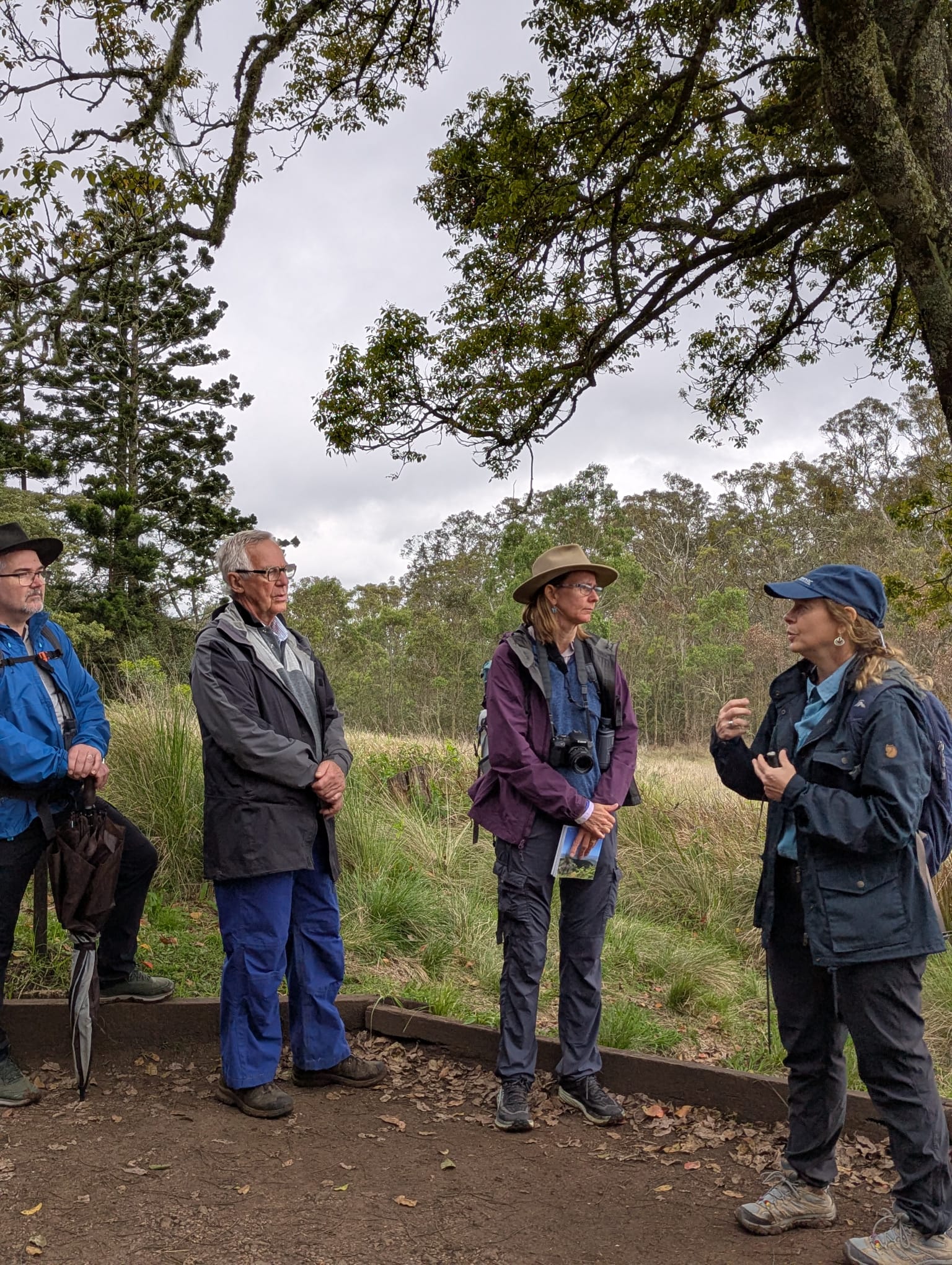
Professor Jen Firn led us on a detailed guided plant walk to Pine Gorge Lookout.
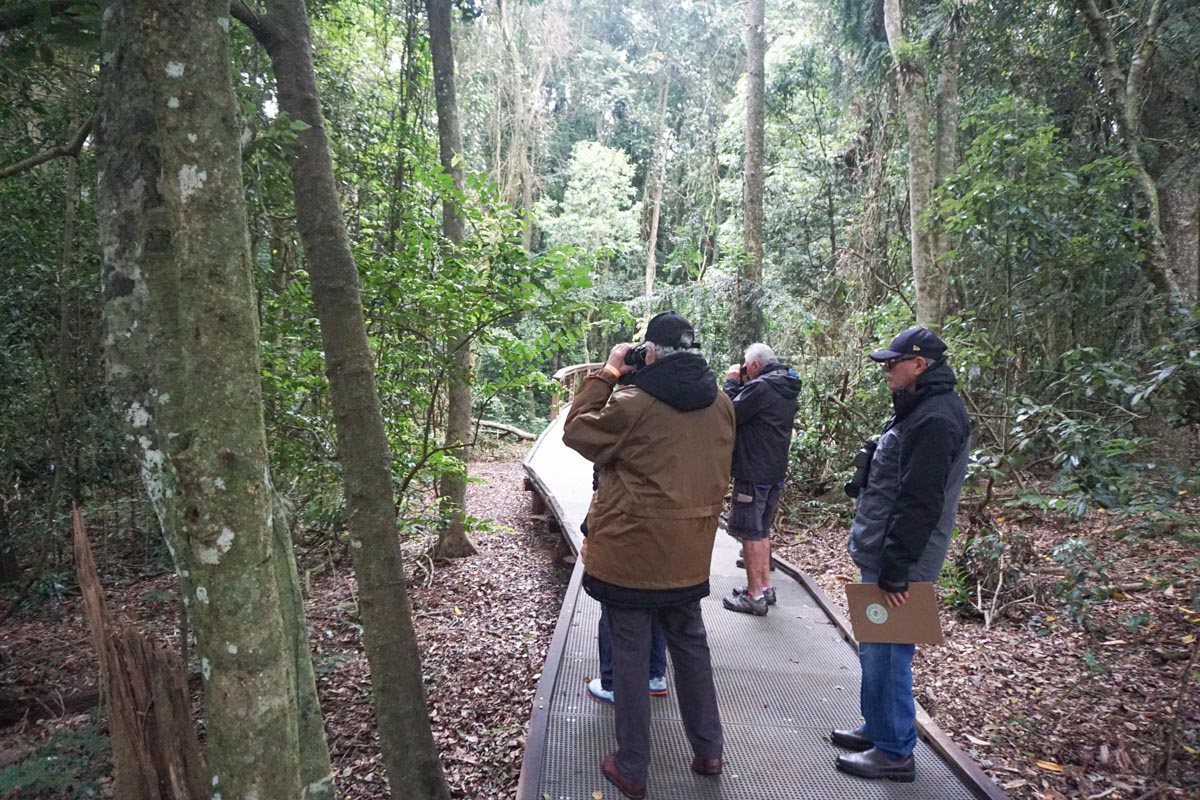
Avian expert Dr Brian Patten helped beginner birders ID some colourful avian species to mark off on their Bird Bingo cards.
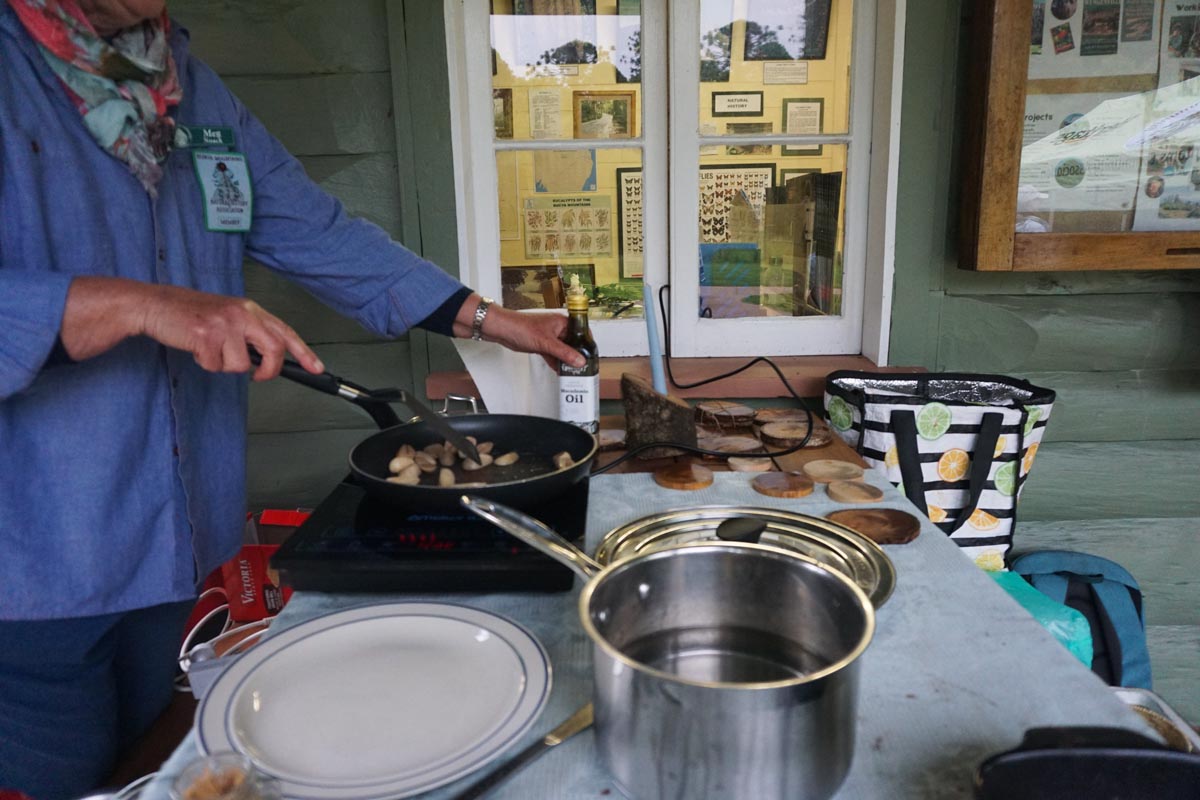
Meg, Carol and Kay from Bunya Mountains Natural History Association revealed the culinary delights of the bunya nut. Yum!
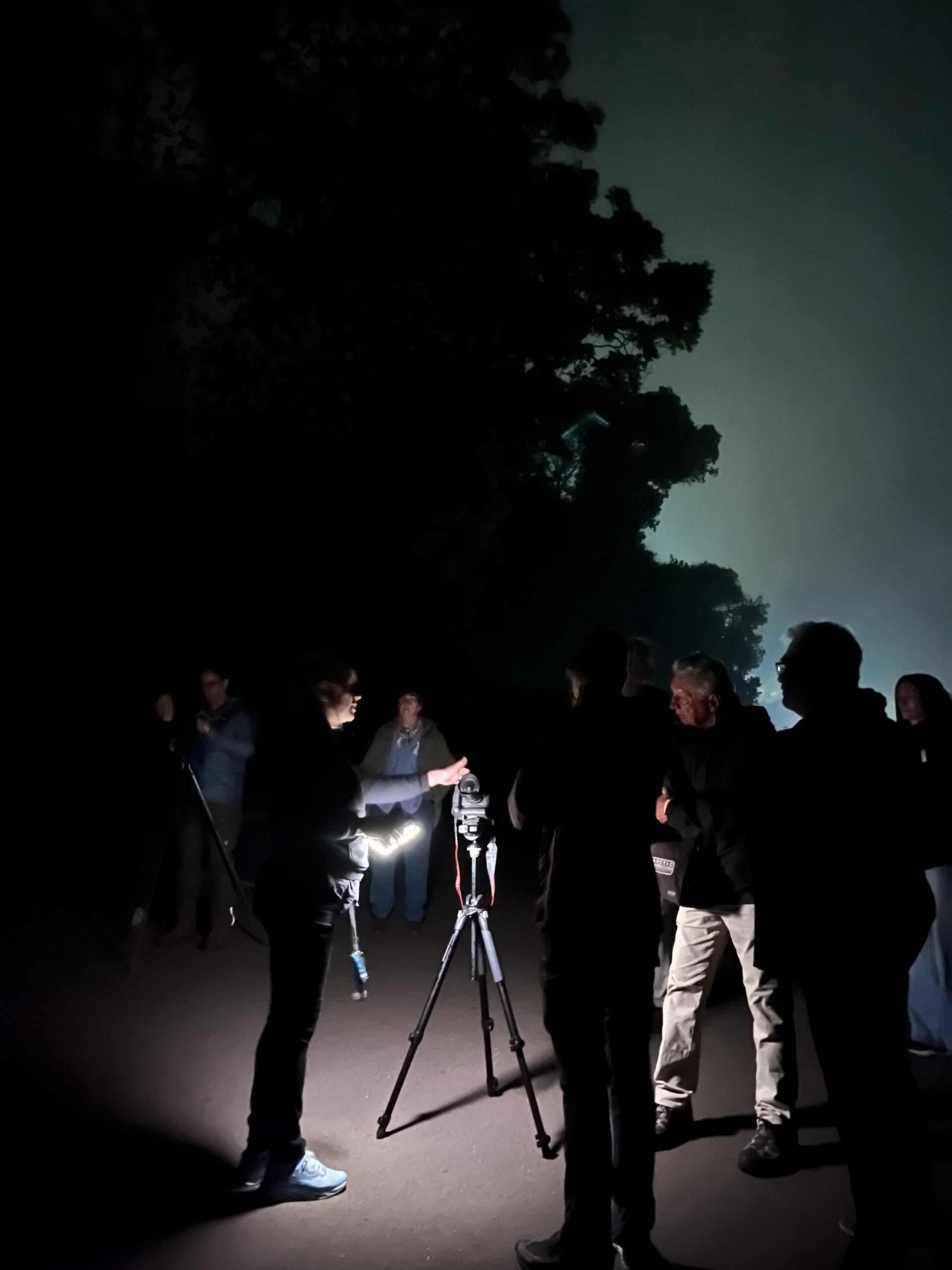
Despite the drizzle, we got familiar with the park after dark as Astrophotographer Donna Glass showed us how to set up to expertly snap the night sky.
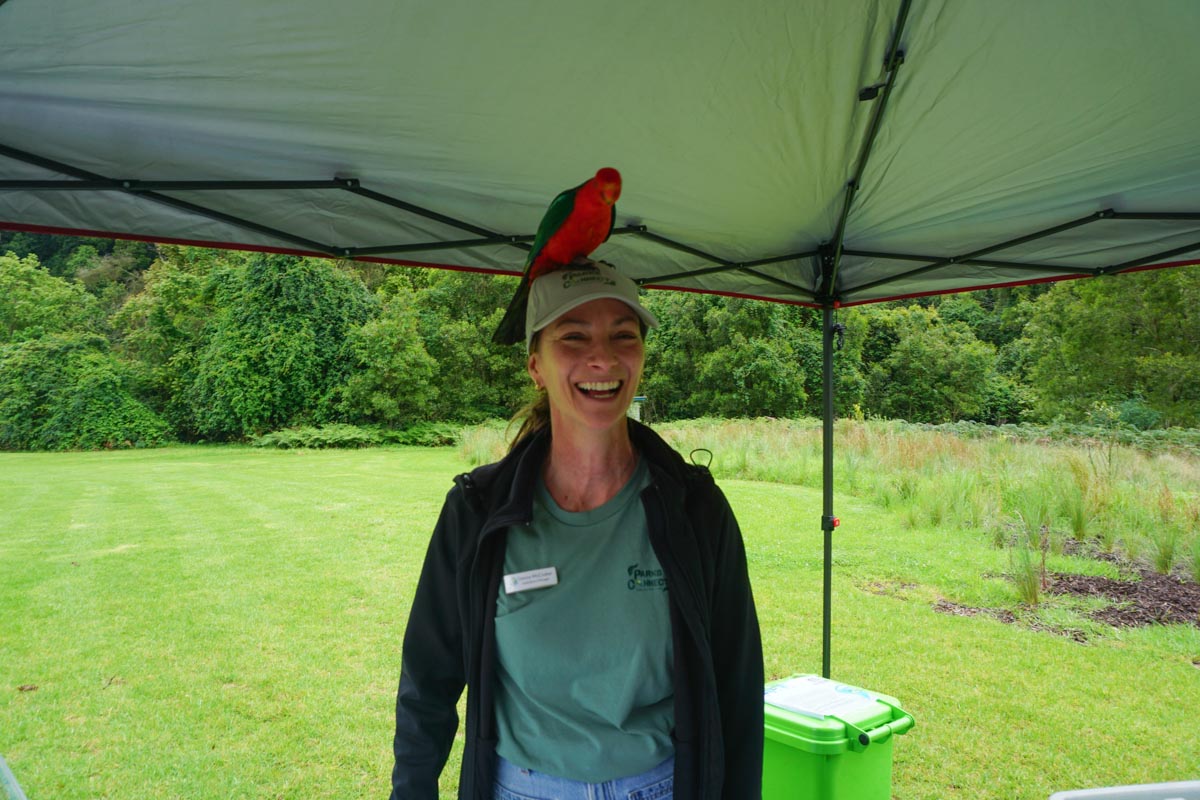
Thanks for coming! We hope to see you at another Park of the Month event soon.
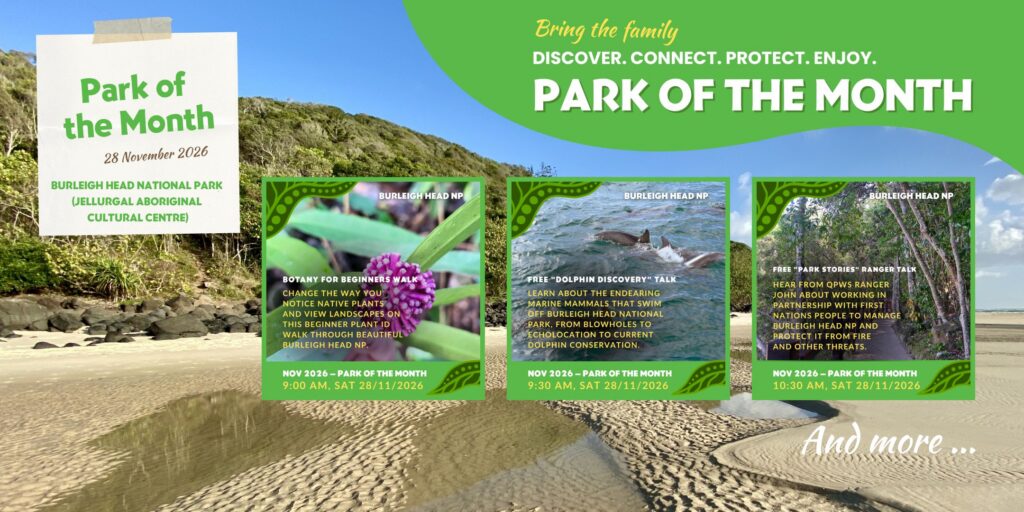
SAVE Saturday 28 November for our November Park of the Month!
In November, we’ll be heading to Burleigh Head National Park, with a line-up of free events starting from the Jellurgal Aboriginal Cultural Centre.