
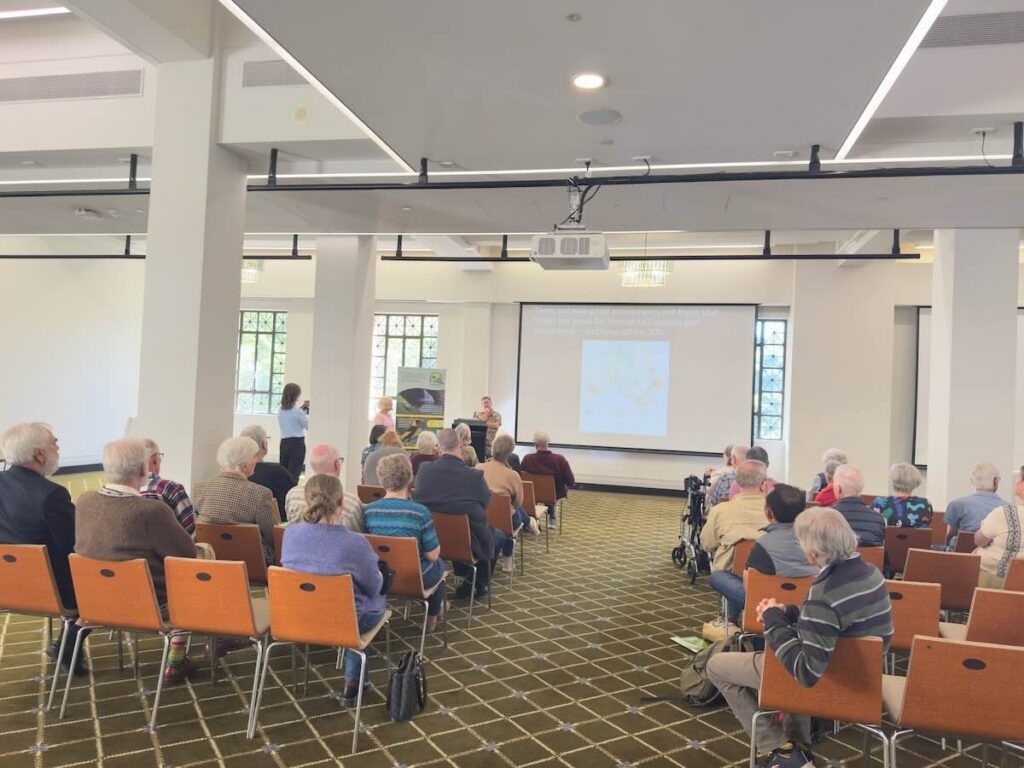
How is Australia going with setting aside more protected areas? What’s working well? What do we still need to change – and why?
Professor James Watson, a conservation scientist at The University of Queensland with more than two decades of experience in global conservation planning, answered these questions in the 2026 Romeo Lahey Memorial Lecture.
Australia’s protected area network has nearly doubled since 2010, a growth widely celebrated in policy and conservation circles. Yet, far less attention has been given to whether this expansion has improved biodiversity outcomes. Professor Watson researched this growth—now covering more than 22% of the continent—and highlighted examples of protected areas that are making a big difference for biodiversity outcomes.
“If we shift towards strategic protection, Australia can build a reserve system that genuinely stops extinctions and supports species and ecosystem recovery.”
Prof James Watson
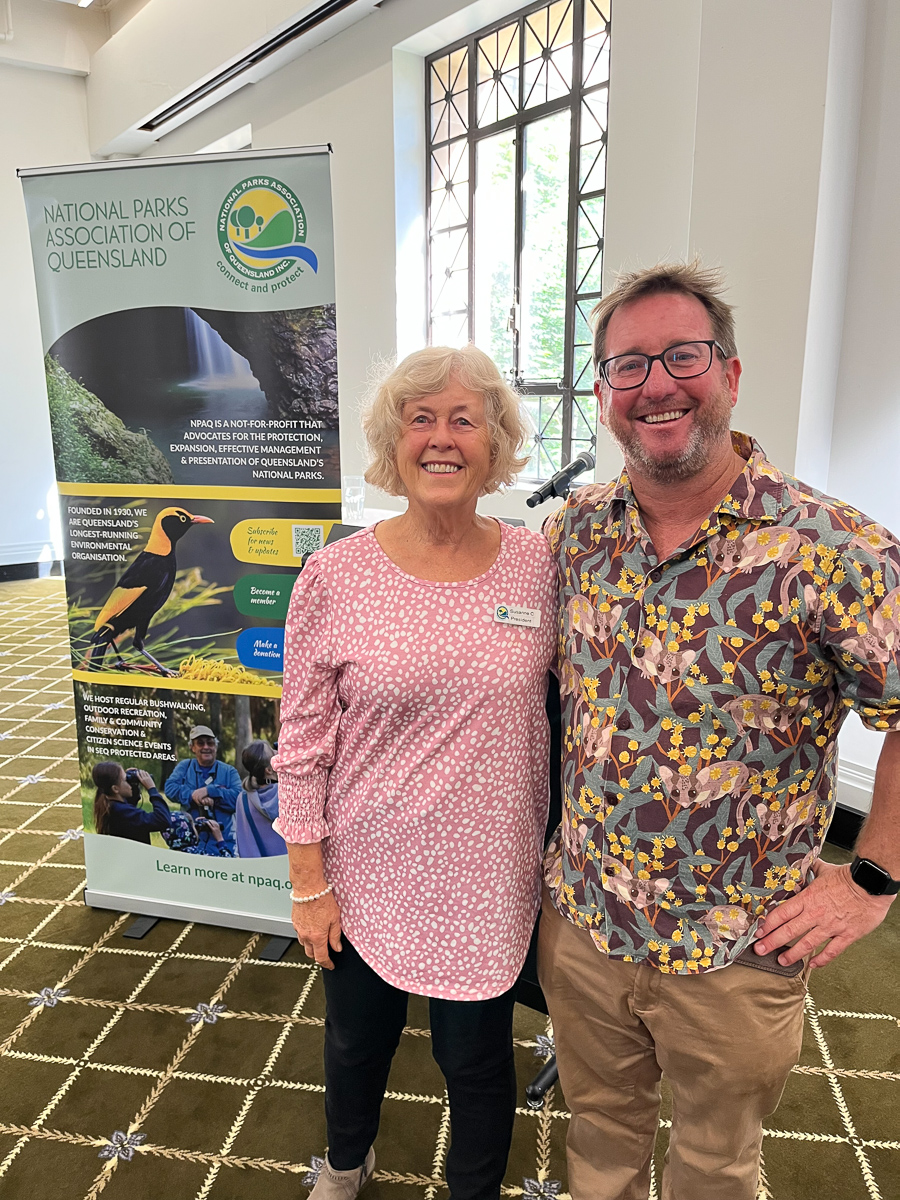
Professor James Watson is a conservation scientist at The University of Queensland with more than two decades of experience in global conservation planning. His work focuses on spatial planning, protected areas, biodiversity outcomes, and climate change, in collaboration with governments, NGOs and industry. He was also the first Australian global president of the Society for Conservation Biology (2015–2017). A passionate birdwatcher, he has 8 PhD students working on the conservation of Australia’s rarest birds and leads the Research and Recovery of Endangered Species (RARES) Group (www.rares.org.au) whose mission is to work with partners to do applied research that is linked directly to the practice of site-based rare species conservation.