In the News, National Parks, Uncategorized
State Budget a step up for Queensland’s Protected Areas
Jun
With the release of the Crisafulli government’s 2026–2027 budget, Queensland’s capital expenditure for the Department of the Environment, Tourism, Science and Innovation (DETSI) has reached 1.03% of the State’s total – its highest level in more than a decade.
“Increased expenditure on the environment and on protected areas has been something the National Parks Association of Queensland and other eNGOs have been advocating for over many years,” says NPAQ CEO Chris Thomas. “The overall departmental investment is five times the total expenditure of five years ago – a positive step in the right direction that shows that the Crisafulli government, like the majority of Queenslanders, recognise that nature underpins our State’s prosperity and is a source of statewide pride that requires ongoing investment and protection.”
Importantly, the capital program includes $111.3 million over 2 years for the Growing World Class Protected Areas and Ecotourism program, with $57.8 million of the spend going towards acquiring high-priority land that expands Queensland’s protected area estate, which currently safeguards 8.73% of Queensland’s land area.
Among other investments in Queensland’s environment, the budget breakdown earmarks:
- $15 million over 4 years for protected area infrastructure, including at Queensland’s new protected areas acquisitions and at Special Wildlife Reserves (a designation unique to Queensland, which now has 3 of these important refuges for threatened species)
- $5.7 million for fire management
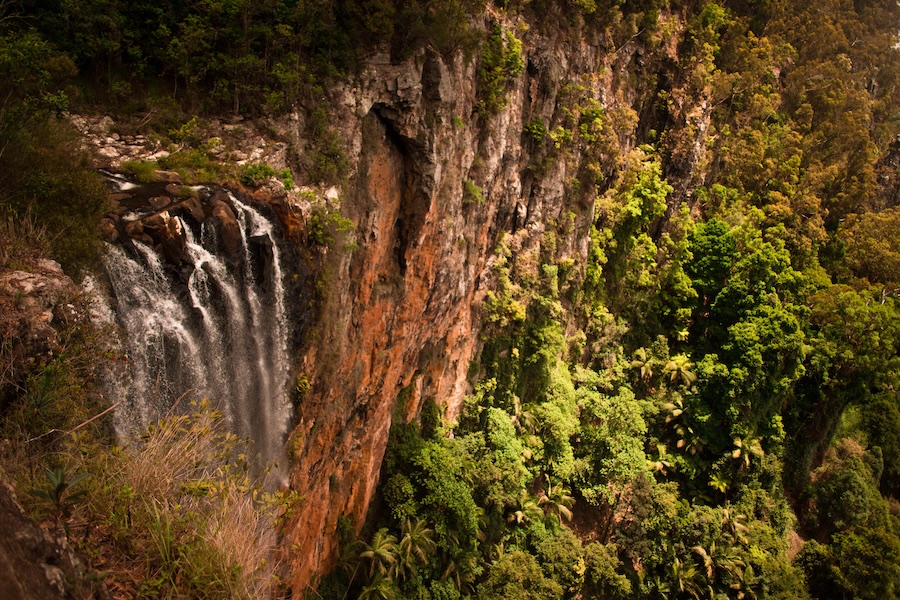
- $5 million in upgrades to enhance Visitor Experience at Springbrook National Park (incidentally, set to be NPAQ’s August 2026 Park of the Month)
- $32.2 million over 4 years to support ecotourism projects for Queensland’s Destination 2045 ecotourism policy, and $24 million this year for Wangetti Trail ecotourism in Tropical North Queensland
- $2.6 million for marine parks, including replacing ageing vessels and threatened species management.
While split across several departments and agencies, $330.5 million over five years has also been allocated to support Queensland’s Great Barrier Reef and its catchments, promoting healthy waterways, community stewardship and resilient rivers.
“The 2026–27 budget also doesn’t leave Rangers out in the cold,” adds Thomas, in reference to the $2.5 million flagged for additional Ranger accommodation, operational infrastructure and enhancing Ranger and visitor safety, and $17 million over three years for additional investment in infrastructure, plant and equipment to support the continuing ‘More Rangers, Better Neighbours’ initiative.
The DETSI budget also includes $166.9 million in capital grants, including $22.5 million for the Tourism Icons Investment Fund to develop world-class attractions and infrastructure that enhance visitor experiences, support tourism and regional jobs and enhance communities statewide.
“Queensland’s National Parks are the gold standard for biodiversity protection and the jewel in the crown of our ecotourism economy,” adds NPAQ’s CEO. “It is vital they start to attract a larger share of funding from the public purse, and NPAQ hopes to see investment in protected areas continue to increase commensurate with growth and with public demand as we head towards showcasing our protected areas to the world for the Brisbane Olympic and Paralympic Games in 2032.”
For more, see:
DETSI Service Delivery Statement
